Anyone looking to buy an OLED TV in 2026 won’t be lacking for choice, and with the Black Friday sales season almost upon us, there will undoubtedly be excellent deals to be had across a range of models. LG, Samsung, and Sony have all released new OLED TVs in 2026 and even ROKU has gotten into the OLED game, though only in smaller screen sizes. LG’s current range spans from the entry-level LG B6 to the midrange C6 and C6H, and the G6 and W6 “Wallpaper” flagships. Samsung’s OLED trio consists of the entry-level S85H, midrange S90H, and flagship S95H. Sony, meanwhile, only released one new OLED TV in 2026, the mid-tier Bravia 6.
Of these new models, eCoustics has tested the Samsung S95H and S90H, along with the LG C6H, a step-up version of the LG C6 series that uses the same RGB Tandem OLED display panel with Hyper Radiant Color Tech found in the company’s flagship models.
For those looking for a high performance big screen OLED TV, at a discount compared to the top of the line models, the Samsung S90H and LG C6H present two compelling options. They were priced similarly at launch, and after receiving discounts, their prices remain roughly equivalent as we approach the end of the year. Both TVs received high ratings in our reviews, but which one should you buy?
Before I get into the details, I should note that the LG C6H is only sold in 77-inch and 83-inch screen sizes. The Samsung S90H is also available in those sizes (as well as smaller ones), so this comparison applies specifically to the 77- and 83-inch versions of both TVs.
Read More in our Individual Reviews of Each TV:
- LG C6H OLED TV Review: Flagship-Level OLED Performance At A Mid-Range Price
- Samsung S90H OLED TV Review: A Mid-Range OLED For The Everyman
LG C6H vs Samsung S90H: Features
In addition to featuring the same RGB Tandem OLED display panel as the LG G6 and W6, LG C6H series TVs use the same Gen 3 α11 AI processor found in the flagship models. This allows for AI-guided processes such as 4K upscaling and 11.1.2-channel audio upmixing. The C6H features a glossy screen surface and supports the Dolby Vision and HDR10 high dynamic range formats. Another key C6H feature is Dolby Vision Filmmaker Mode, and it also has Filmmaker Mode with Ambient Light Technology, which lets it retain picture accuracy while adapting screen brightness for different room lighting conditions.
On the sound front, the C6H uses a 2.2-channel down-firing speaker array and supports Dolby Atmos, but not DTS. Additional audio features include WOW Orchestra, which combines the TV’s speaker output with that of an LG soundbar system, and Dolby Atmos FlexConnect support for LG Sound Suite wireless speakers.
The Samsung S90H is available in screen sizes ranging from 42 to 83 inches. It features a Glare Free Matte screen and uses the same NQ4 AI Gen3 Processor found in Samsung’s flagship S95H series. AI enhancements in the S90H include Motion Enhancer Pro and Auto HDR Remastering, and it also provides a Filmmaker Mode and Pantone Validated color to ensure accurate color rendition out of the box.
For audio, the S90H uses a 2.1-channel, 40W speaker system with support for Dolby Atmos and Eclipsa Audio for YouTube. Samsung-specific features include Active Voice Amplifier Pro to enhance dialogue clarity, Object Tracking Sound Lite for realistic on-screen placement of dialogue and sound effects, and Q-Symphony to combine the TV’s speakers with a Samsung soundbar for enhanced audio output.
LG C6H vs Samsung S90H: Design
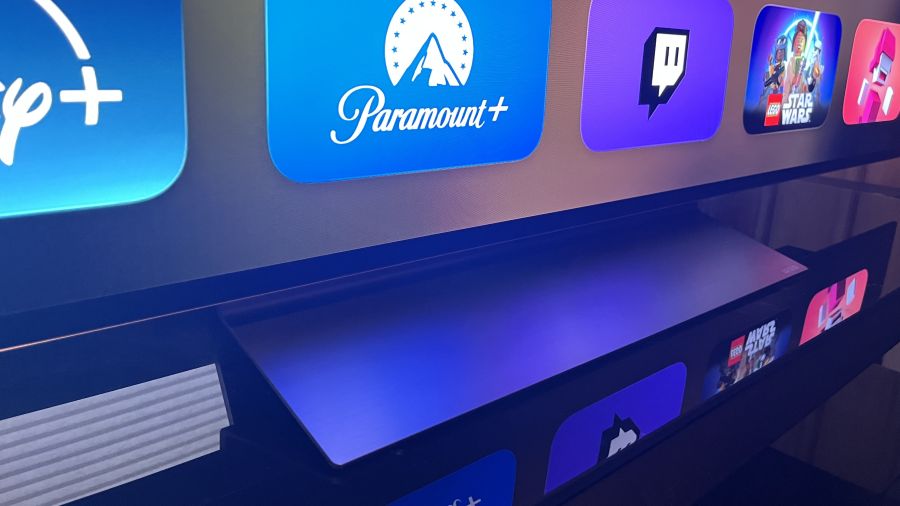
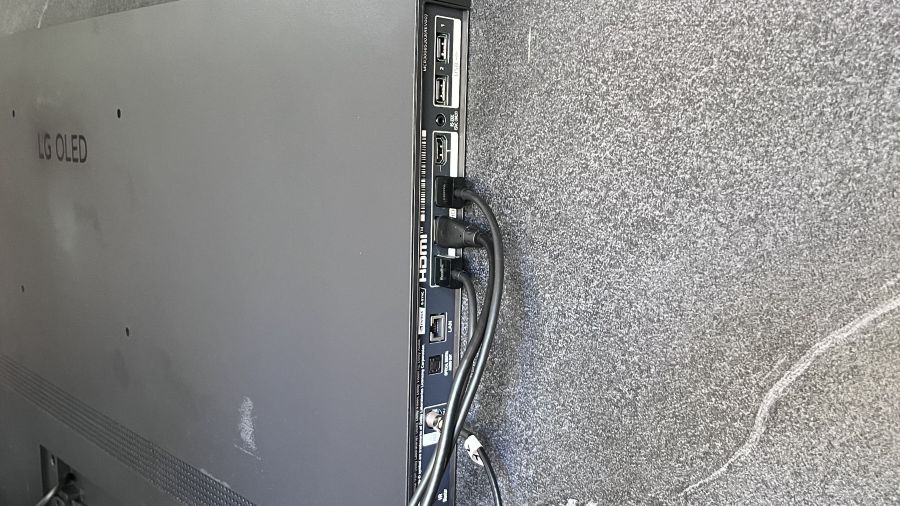
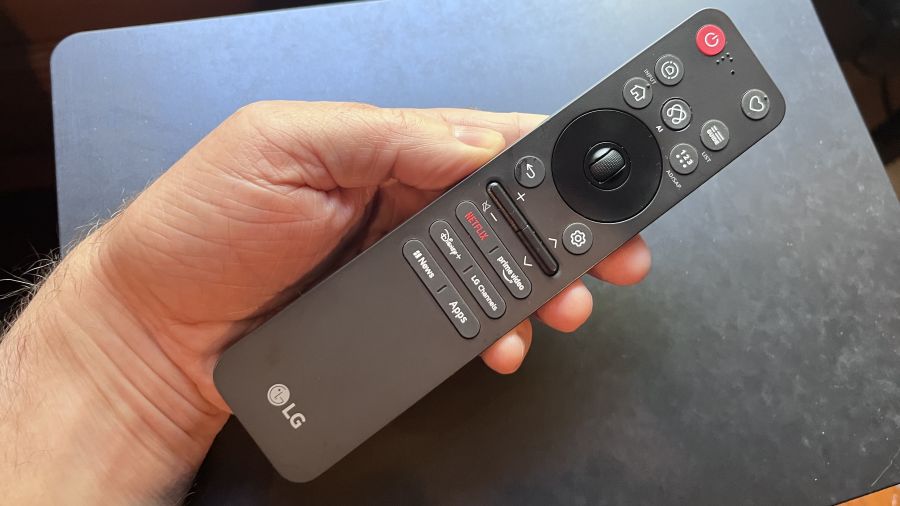
The LG C6H has a slim, appealing design, with a thin screen bezel and aluminum pedestal stand. Its connections are all located on a side-facing panel and include four HDMI 2.1 ports and an antenna input for the TV’s ATSC 1.0 tuner. LG’s Magic Remote combines a point-and-click on-screen cursor with standard controls, allowing you to easily switch between the two navigation methods. It also has a button to temporarily enable the TV’s on-screen AI assistant if you’d prefer to leave the TV’s built-in microphone switched off for privacy reasons.
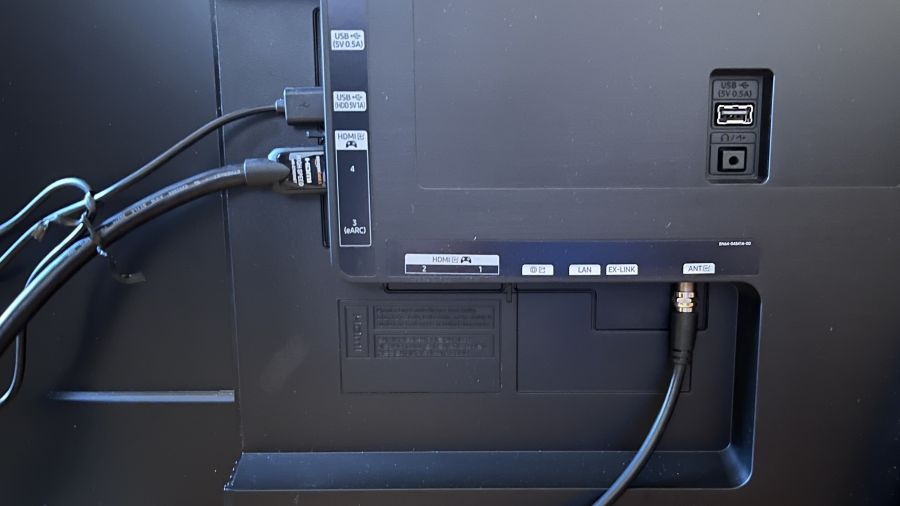
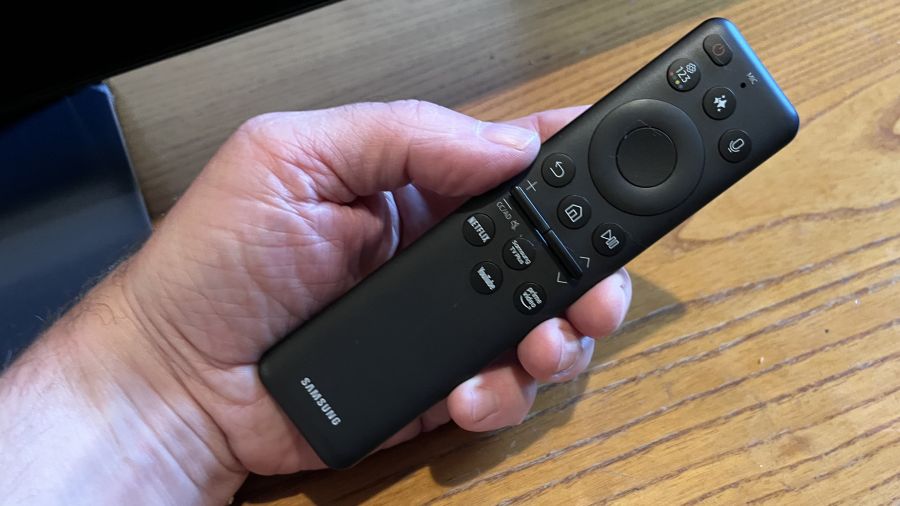
Samsung’s S90H has a more traditional look than the company’s aluminum-framed flagship S95H OLED and uses a sturdy plastic pedestal stand. Its four HDMI 2.1 ports are split between side- and bottom-facing panels, and there’s also an antenna input for the TV’s ATSC 1.0 tuner. Samsung is unique among TV manufacturers in providing a solar-powered remote control that doesn’t require disposable batteries, although its compact design limits the number of buttons, forcing you to use on-screen menus or voice commands to carry out most functions.
LG C6H vs Samsung S90H: Picture Quality
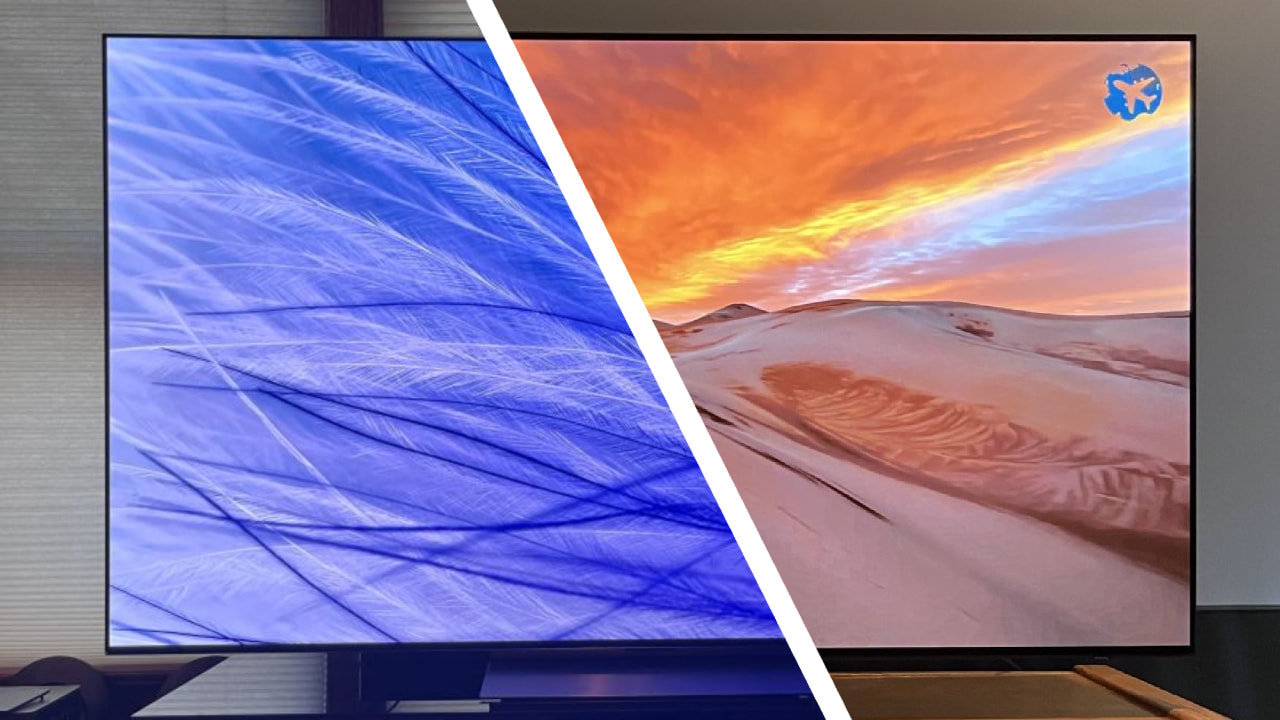
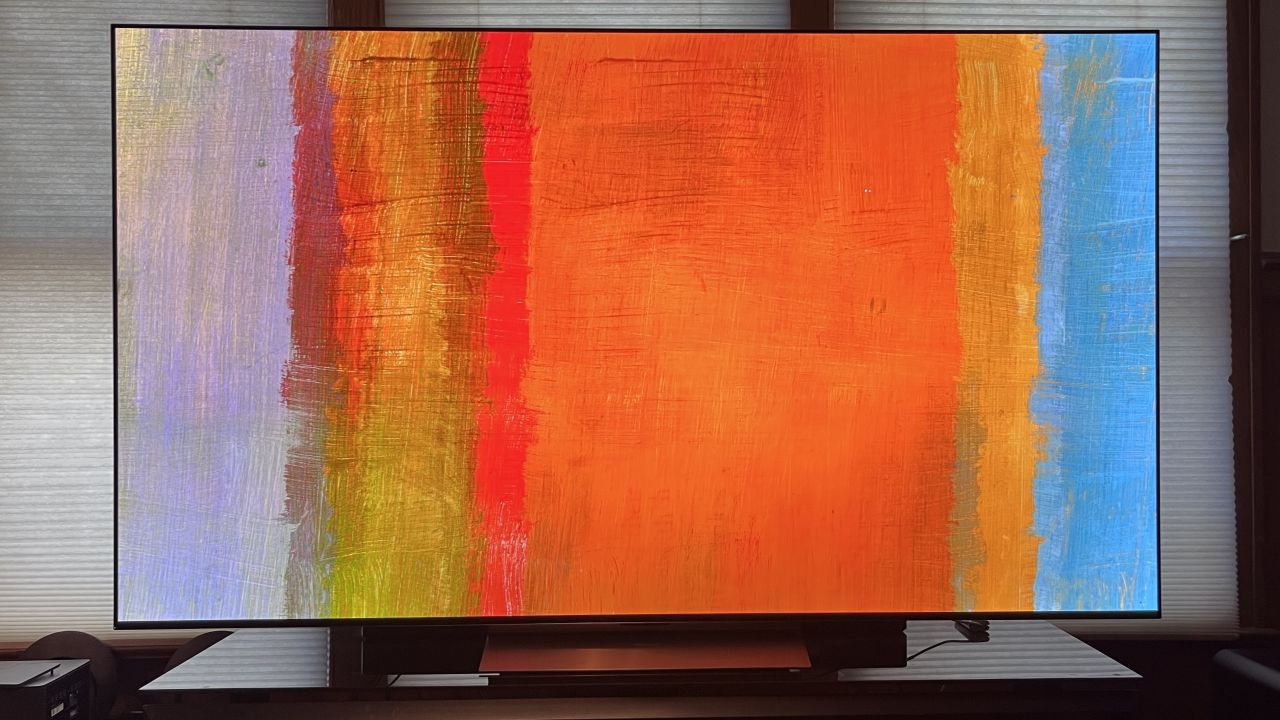
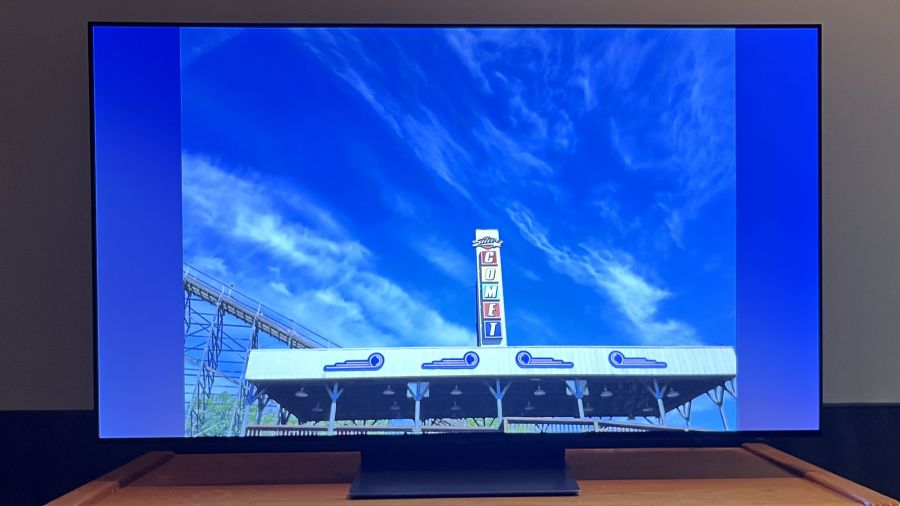
The LG C6H’s flagship-level RGB Tandem OLED display panel delivers well-above-average brightness for a midrange OLED TV. We measured a peak HDR brightness of 2,059 nits in our review, which is notably higher than the 1,553 nits the Samsung S90H delivered in the same tests.
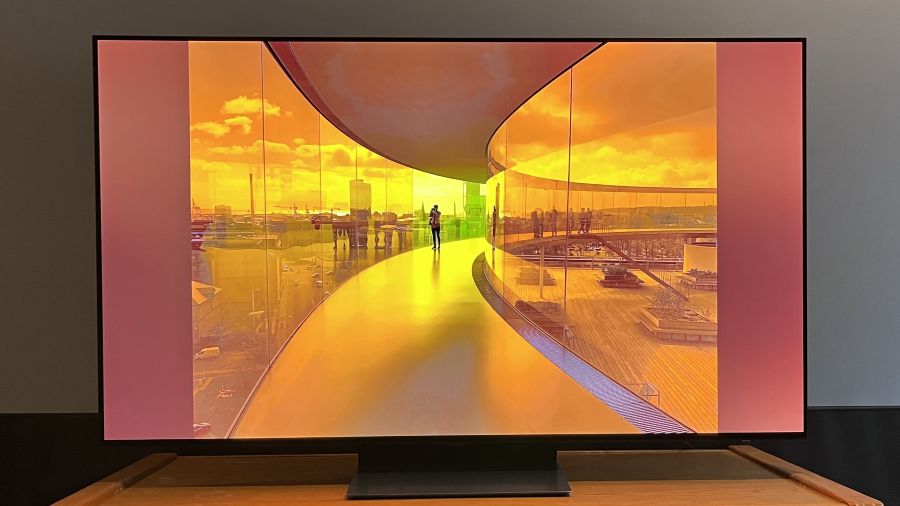
LG’s advanced OLED panel also gives the C6H an edge over the Samsung S90H when it comes to color. In our testing, the C6H achieved 83.4% BT.2020 color space coverage, while the Samsung topped out at 75.8%. DCI-P3 coverage, arguably the more important metric, was similar for both TVs, however, at around 99.5%. When it came to color accuracy, the Samsung had better out-of-the-box performance, averaging a Delta E below 2 for both grayscale and color point measurements.
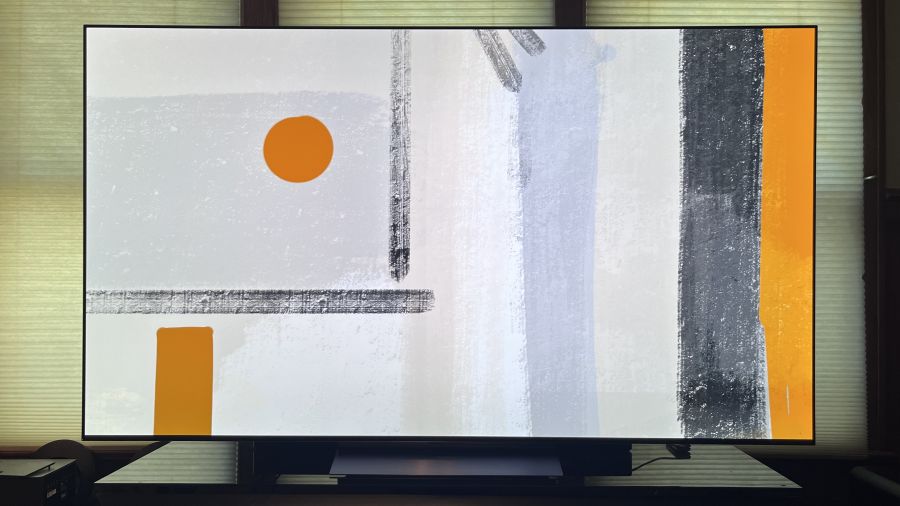
While there were measurable differences between the TVs, both delivered excellent-looking pictures, with strong contrast, detailed shadows, and robust color. The Samsung’s Glare Free screen was more effective at minimizing reflections in bright rooms, although the LG’s higher brightness also provided benefits for viewing in well-lit environments.
LG C6H vs Samsung S90H: Smart TV
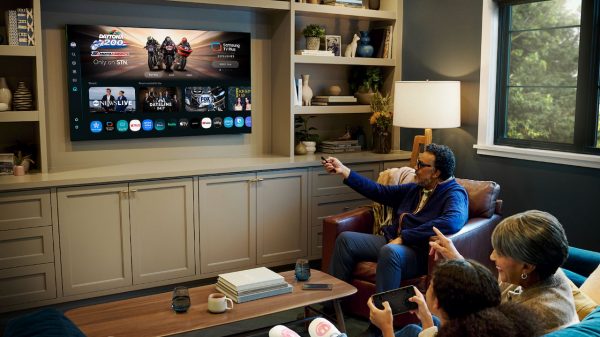
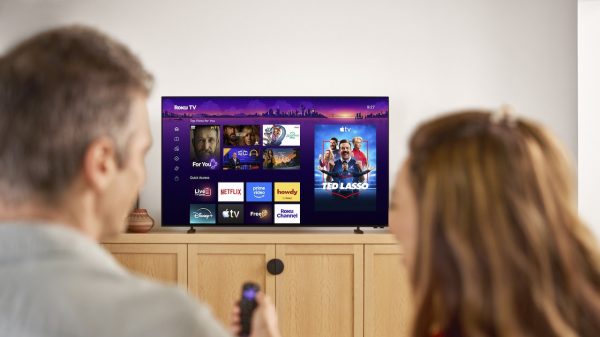
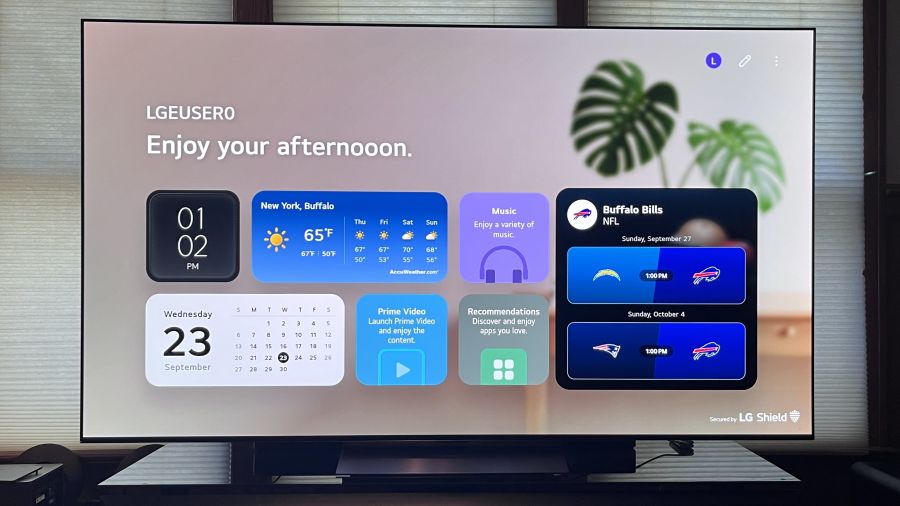
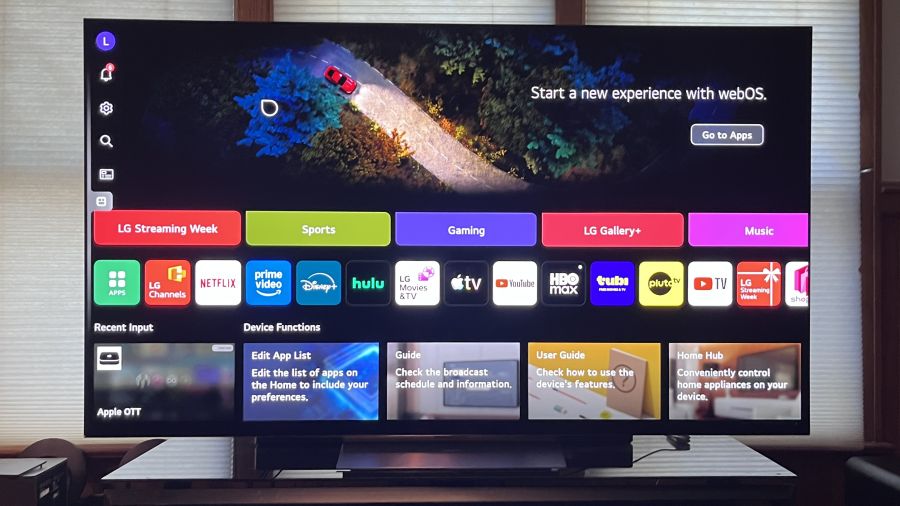
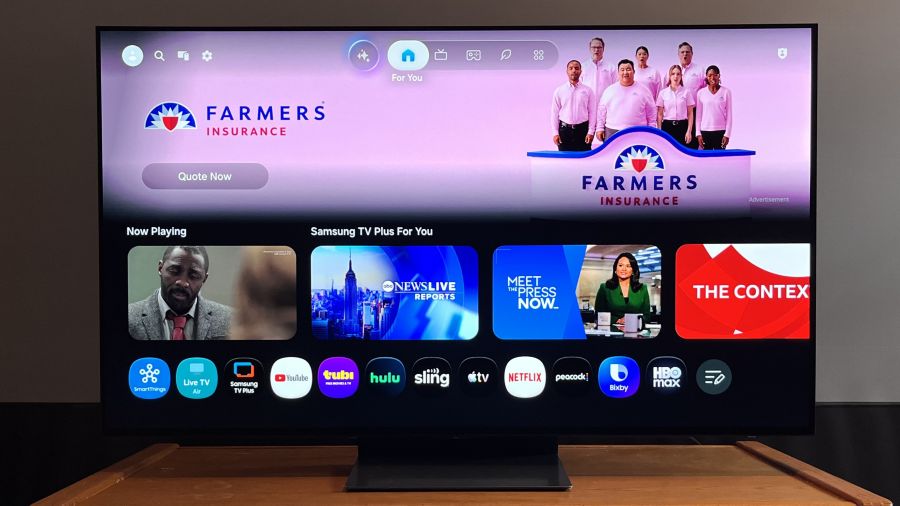
Both LG and Samsung use their own in-house smart TV platforms. LG’s webOS is the more cluttered of the two, though you can make modifications in the settings menu to minimize some of the clutter and remove large banner advertisements. Samsung’s updated One UI Tizen, in contrast, is more pleasantly streamlined, though it does display advertisements in the top section of the interface.
Both TVs provide AI chatbots to assist with content searches and more general research, along with basic control functions. At present, you can choose between Google’s Gemini and Microsoft’s Copilot (and Perplexity on the Samsung), although Microsoft has announced that it will discontinue Copilot smart TV support by the end of 2026.
The LG and Samsung OLEDs also let you display images from a subscription-based art service—Gallery+ on the C6H and Samsung Art Store on the S90H—though the functionality is limited compared with purpose-built art TVs such as Samsung’s The Frame models, which feature proximity sensors and are designed to display art even when the TV is in standby mode.
LG C6H vs Samsung S90H: Gaming
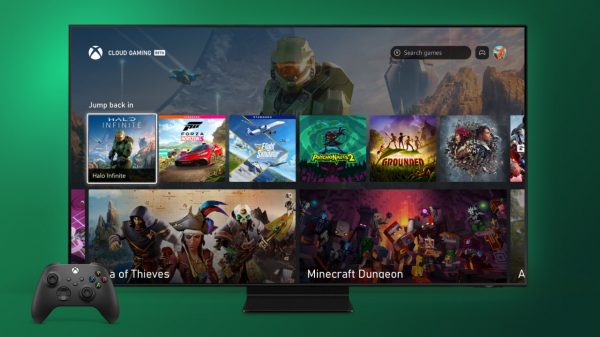
Gamers will find plenty to love about the LG C6H and Samsung S90H. Both provide four HDMI 2.1 inputs with 4K/165Hz support. Both also support FreeSync Premium (the Pro version on the Samsung) and Nvidia G-Sync VRR, and offer gaming hubs with cloud-based apps, including Xbox, Nvidia GeForce Now and Amazon Luna.
Where the two TVs differ when it comes to gaming is input lag, with the Samsung’s measured 9.1ms besting the LG’s 12.8ms. Both results are still below the 13ms threshold that gamers generally look for and will be more than sufficient for all but the most competitive, professional-level players.
LG C6H vs Samsung S90H: Value
Prices for the LG C6H and Samsung S90H have dropped substantially since we first reviewed them, with the 77-inch versions of both TVs now selling for $1,999 and the 83-inch versions for $3,299. Those are excellent values for TVs of this quality, and it’s unlikely that prices will drop much further, even during the Black Friday sales season.
The Bottom Line
I was deeply impressed with both TVs when I tested them, as each delivers the detailed pictures, deep blacks, and rich yet refined colors that OLED technology is known for. With its higher brightness, the LG C6H will be a better option if you do a lot of viewing in bright rooms, though its glossy screen means you’ll need to position the TV carefully to avoid reflections from lamps or uncovered windows. While not as bright as the LG, the Samsung is the more flexible option for bright-room viewing, since its Glare Free screen technology can effectively minimize a wide range of reflections. It also looks excellent in dimmer lighting conditions.
Whether you primarily watch movies or sports or spend your time gaming, you won’t go wrong with either TV. However, the differences in bright-room performance, gaming capabilities, color reproduction, and smart TV interface design may ultimately sway you toward one model over the other.
Where to Buy:
- LG C6H (77-inch):
$3,699$1,999 at Best Buy | Walmart | Amazon | LG - LG C6H (83-inch):
$5,299$3,299 at Best Buy | Walmart | Amazon | LG - Samsung S90H (77-inch) –
$3,699$1,999 at Best Buy - Samsung S90H (83-inch) –
$5,299$3,299 at Best Buy
Related Reading: