
There are some exceptional high-end DACs above $2,000, and anyone with sufficient financial courage can keep climbing until the price reaches six figures. MSB’s Sentinel DAC system currently starts at $375,000, proving once again that digital audio is perfectly capable of separating you from the cost of a house without requiring a single moving coil cartridge.
For the other 99% of us, the far more interesting competition is taking place below $1,000. FiiO, Schiit Audio, Topping and SMSL are offering genuinely different conversion architectures, DSP, parametric EQ, balanced outputs, network streaming, Bluetooth and powerful headphone amplification at prices that would have sounded slightly ridiculous not very long ago.
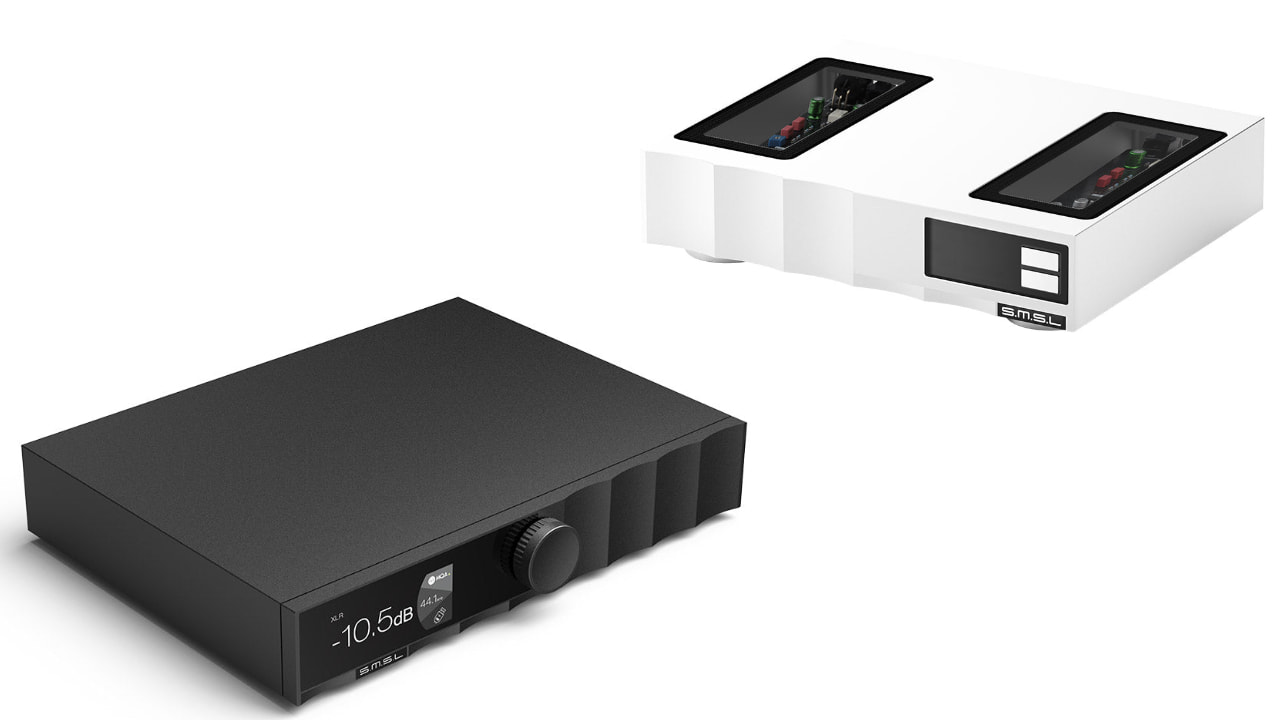
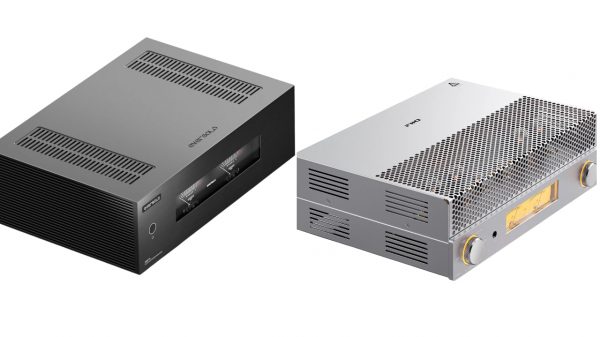
SMSL has now added two very different products to that fight. The $289 R100 is an R2R DAC built around a pair of Analog Devices AD1861-J converters, while the $649 D400 MK2 uses AKM’s AK4191/AK4499EX architecture with XMOS USB processing and a dedicated 10MHz OCXO clock system. We have not heard either DAC, so any discussion of how they compare sonically with FiiO, Schiit or Topping would be fiction dressed up as reviewing. What we can evaluate is the engineering, functionality, pricing and rather substantial competition facing both products.
The arrival of the R100 and D400 MK2 follows several significant DAC launches that we have covered recently, including FiiO’s K13 R2R and K15, Topping’s E50 II, and Schiit Audio’s forthcoming Bifrost 3. The result is a segment where conversion architecture may now be as important to the buying decision as the traditional checklist of inputs, outputs and maximum sample rates.
How Do They Compare?
| Model | U.S. Price | Conversion Architecture | Digital Support | PEQ | What Else Does It Do? |
|---|---|---|---|---|---|
| Topping E50 II | $199 | AK4497S | PCM 32/768, DSD512 | Yes | LDAC Bluetooth, RCA/TRS outputs, preamp mode |
| Topping D50 III | $229 | Dual ES9039Q2M | PCM 32/768, DSD512 | 10-band | LDAC Bluetooth, RCA/TRS outputs, preamp mode |
| SMSL R100 | $289 | Dual AD1861-J R2R | PCM 32/768, DSD512 input support | Web-based | XLR/RCA outputs |
| FiiO K13 R2R | $319 | FiiO 24-bit discrete R2R | PCM 32/384, DSD256 | Yes | LDAC Bluetooth, NOS/OS, 2.4W/ch balanced headphone amp |
| Topping D70 Pro OCTO | $499 | 8 x CS43198 | PCM 32/768, DSD512 | No | Bluetooth, AES, I²S, XLR/RCA, preamp mode |
| FiiO K15 | $599 | Dual AK4497S | PCM 32/768, DSD512 | 10-band | Wi-Fi, Ethernet, Bluetooth, local playback, analog inputs, 3W/ch balanced headphone amp |
| SMSL D400 MK2 | $649 | AK4191 + AK4499EX | PCM 32/768, DSD512 | No | 10MHz OCXO, AES, I²S, LDAC Bluetooth |
| Schiit Bifrost 3 | $699 | Mesh 8×39 DSP, dual ES9039 modulators | Unison 384 USB | Yes | Forkbeard control, modular DSP, OTA updating |
Current sale prices can change. Schiit has announced Bifrost 3 ahead of an expected late-October shipment and has not yet published a complete final production specification sheet.
SMSL R100: Going Backward to Move Forward?
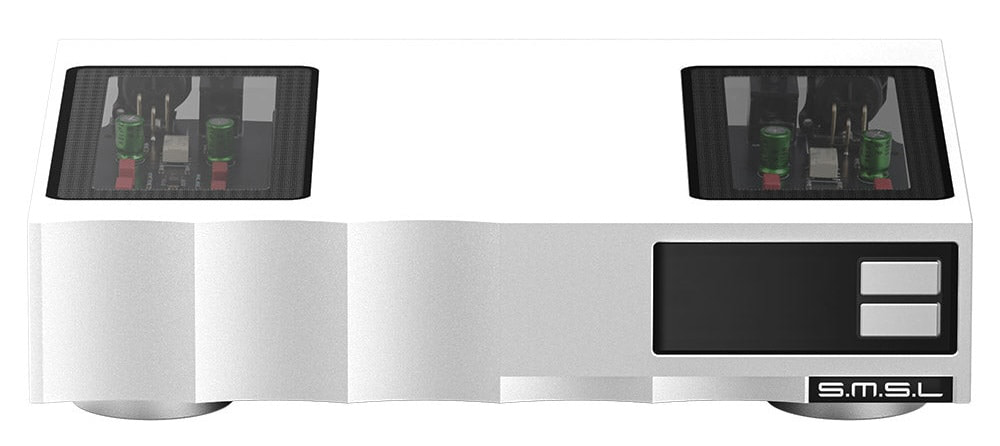
The SMSL R100 is easily the stranger of the two new DACs.
Instead of selecting one of the latest ESS, AKM or Cirrus Logic converters, SMSL built the R100 around two Analog Devices AD1861-J DAC chips. The AD1861 is an 18-bit PCM converter from an earlier generation of digital audio, and Analog Devices now classifies it as obsolete.
That does not automatically make it better, more analog sounding or endowed with mystical powers unavailable to modern silicon. It does make the R100 an unusual product at $289.
SMSL surrounds the AD1861-J pair with its own de-glitch architecture, digital filtering and low-jitter clock processing while adding a browser-based parametric EQ that does not require a conventional desktop application. The CNC-machined enclosure even includes two transparent top panels so owners can admire the circuitry, because apparently we have reached the point where DACs need windows.
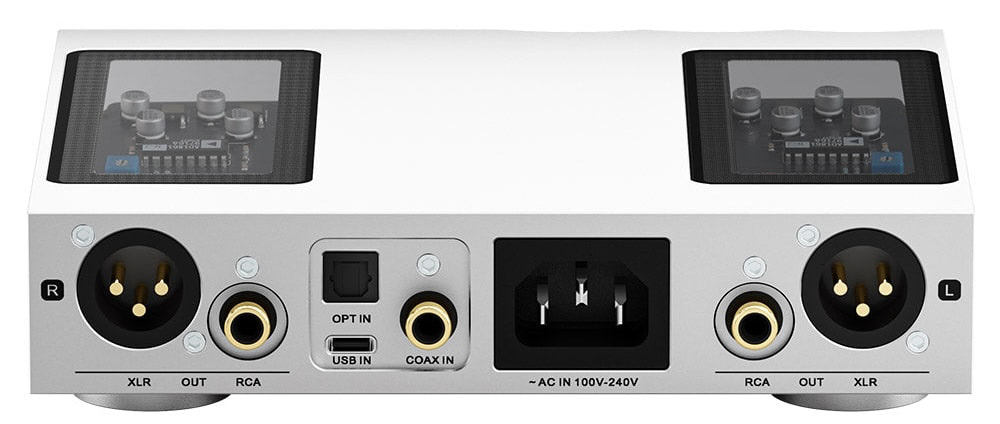
There is an important technical point here. The R100 can accept PCM files up to 32-bit/768kHz and DSD512 through USB, but the underlying AD1861 remains an 18-bit PCM DAC. Those input figures describe what the digital front end can receive and process, not the native resolution of a converter introduced decades before DSD512 existed.
That makes the R100 interesting for reasons other than the usual specification race. SMSL is taking an older multibit conversion technology and surrounding it with contemporary digital processing, balanced outputs and user-adjustable EQ rather than attempting to win solely through lower distortion numbers.
SMSL R100 vs. FiiO K13 R2R
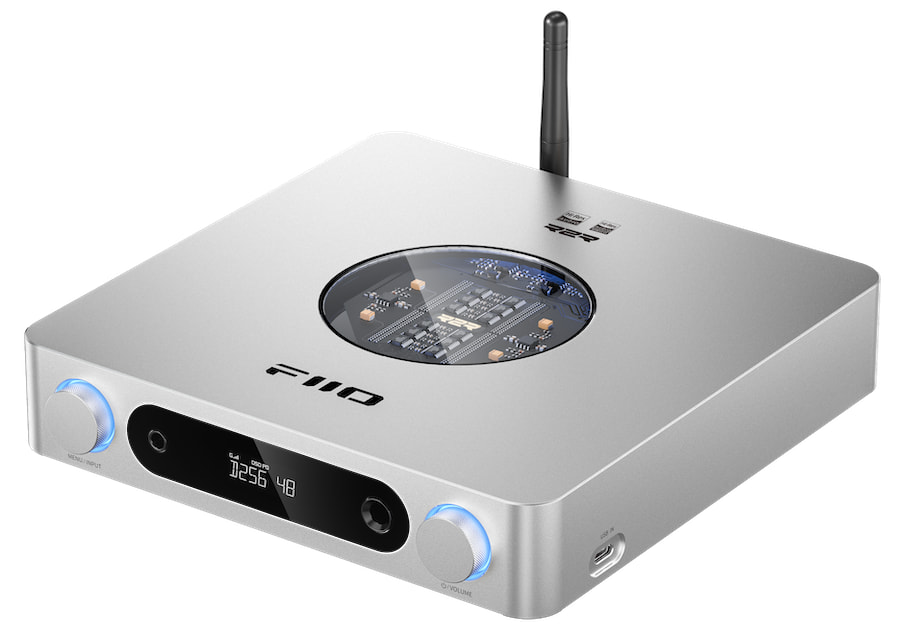
The $319.99 FiiO K13 R2R arrives at resistor-ladder conversion through a completely different route. Its proprietary fully differential DAC uses four 24-bit resistor arrays with 48 precision thin-film resistors per channel, for 192 resistors overall. FiiO also allows users to switch between NOS and oversampling modes and incorporates the DAC into a complete desktop headphone system rather than treating it as a standalone converter.
That makes the additional $31 rather easy to justify for headphone listeners. The K13 R2R includes LDAC Bluetooth and a balanced headphone amplifier rated at 2.4 watts per channel into 32 ohms, whereas the SMSL is strictly a line-level DAC.
The R100 makes more sense for an existing two-channel system or desktop setup where amplification is already covered. Its appeal rests on the AD1861 implementation, balanced XLR outputs and unusually accessible web-based PEQ rather than on trying to become an entire desktop system.
Topping Attacks the R100 From Below
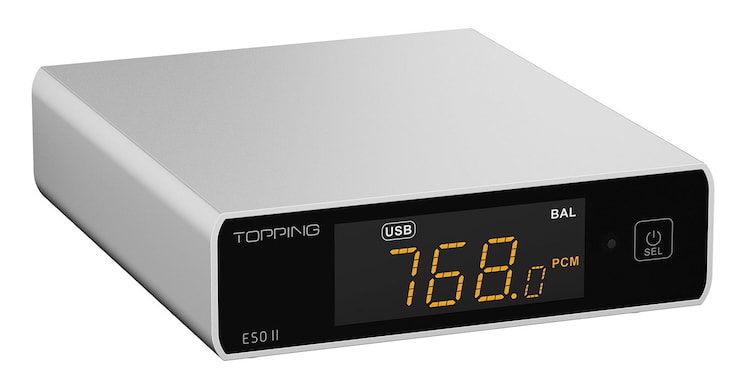
Topping offers two alternatives that make SMSL’s job considerably harder.
At $199, the E50 II uses an AK4497S converter with XMOS XU316 USB processing and adds Bluetooth, balanced TRS outputs and PEQ.
The $229 D50 III moves to dual ES9039Q2M DACs while retaining PCM 768kHz/DSD512 capability, LDAC Bluetooth, balanced TRS connectivity, preamp operation and 10-band PEQ.
Neither Topping offers the R100’s vintage R2R architecture, which is precisely why the comparison is useful. Buyers interested primarily in modern delta-sigma conversion, measured performance and connectivity can spend less, while SMSL is betting that a more unusual approach to conversion will justify the premium.
That is a much harder sell than simply claiming the R100 supports bigger numbers. It is also considerably more interesting.
SMSL D400 MK2: Modern AKM With Serious Clocking
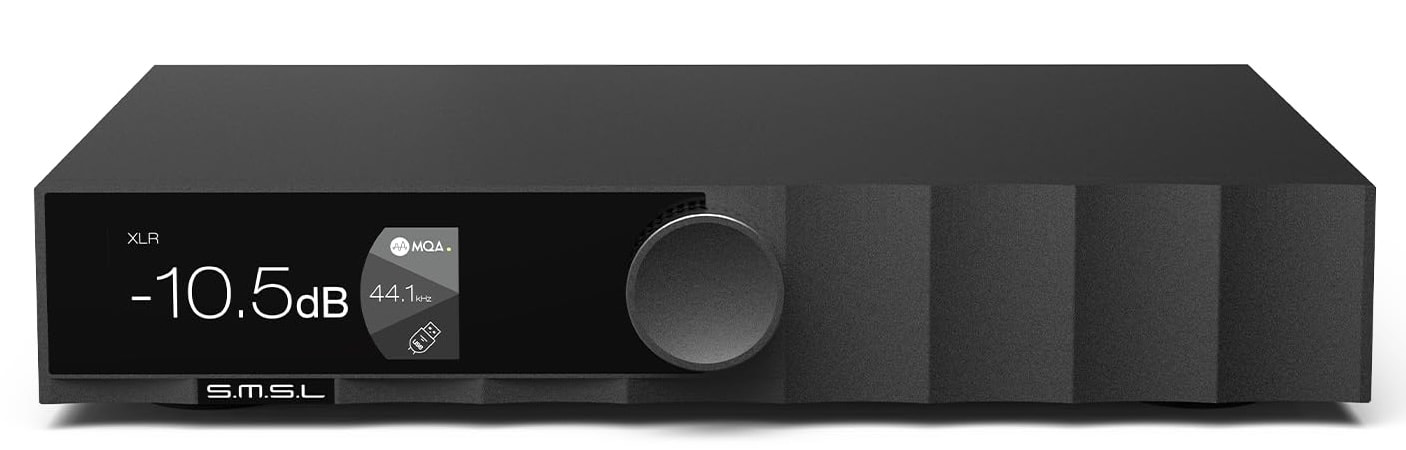
The D400 MK2 could hardly be more different from the R100.
SMSL uses an AK4191 digital processing chip with an AK4499EX converter, along with an XMOS XU316 USB interface, five dual op-amps and its proprietary CK-04 clock processing circuit. Connectivity includes USB, optical, coaxial, AES/EBU, I²S and Bluetooth, with balanced XLR and single-ended RCA outputs.
There are two inconsistencies in SMSL’s own published specifications that require clarification.
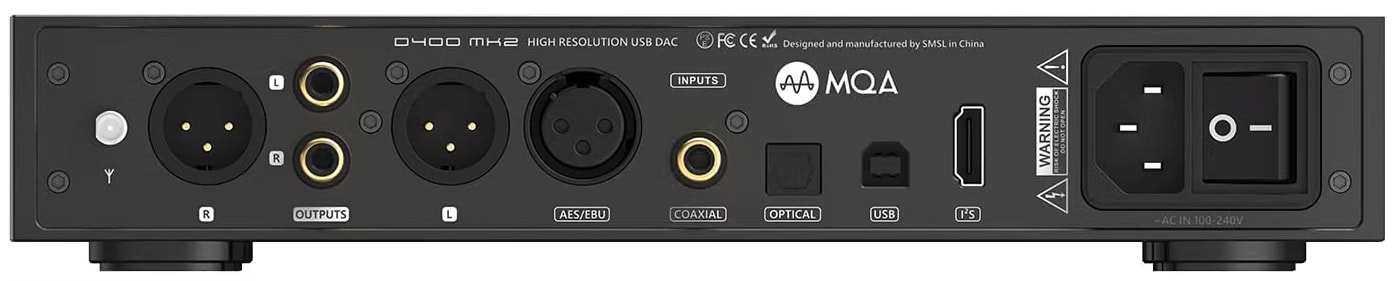
The product page correctly states one AK4191 plus one AK4499EX and then, two lines later, describes a dual-mono implementation with “one AK4499EX per channel.” SMSL’s Version 1.0 manual specifies one AK4191 and one AK4499EX, so that is the configuration we are using unless the manufacturer issues a correction.
The OCXO specification is also inconsistent. SMSL’s current product page claims ±5 ppb, while the Version 1.0 manual specifies ±3 ppb for the built-in 10MHz oscillator.
That documentation hiccup aside, the D400 MK2 is clearly aimed at listeners who want a dedicated DAC rather than another multifunction desktop component. There is no headphone amplifier or network streaming platform stuffed inside the chassis; the emphasis is on conversion, clocking and a broad selection of digital inputs.
FiiO K15: More Functions for Less Money
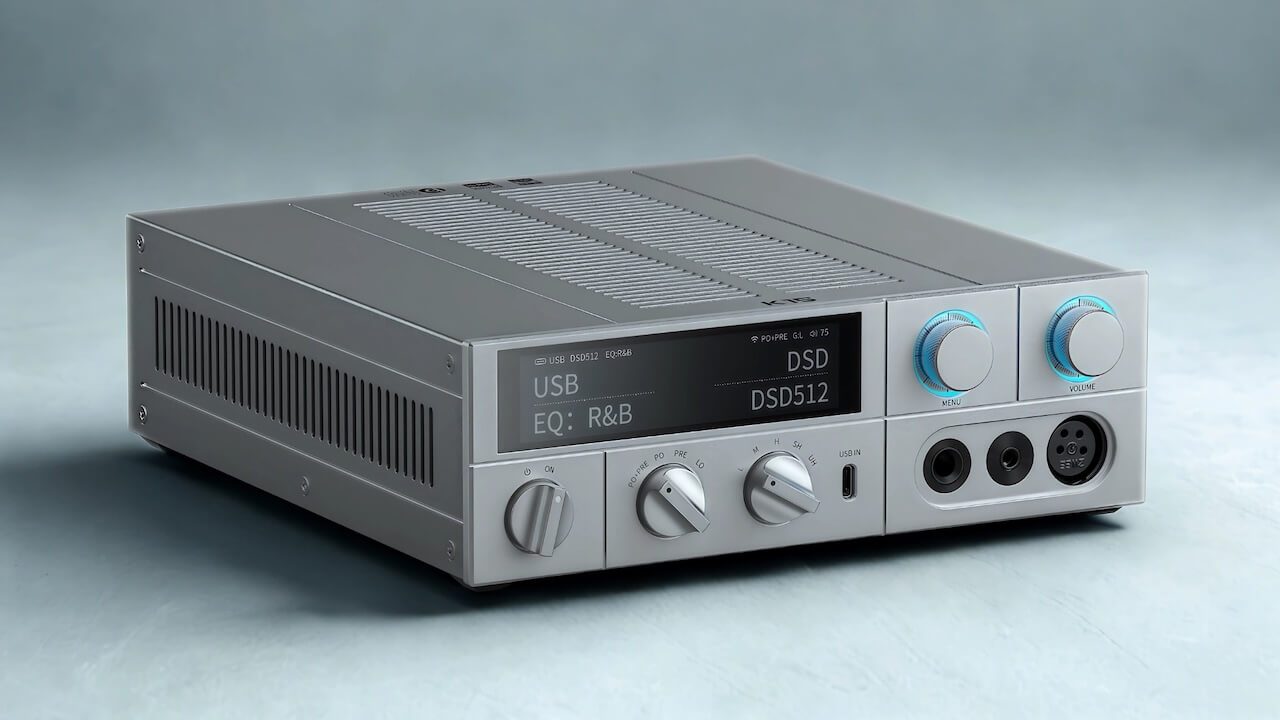
The $599 FiiO K15 illustrates just how differently manufacturers are attacking this price range.
Its dual AK4497S conversion stage is combined with Wi-Fi, Gigabit Ethernet, Bluetooth, local playback, analog inputs and a discrete Class A/B headphone amplifier capable of 3 watts per channel into 32 ohms through the balanced outputs. FiiO also includes 10-band PEQ and a 3.93-inch display.
Someone shopping for a complete desktop digital hub will have difficulty ignoring that feature set, especially at $100 less than the SMSL.
The D400 MK2 is not attempting to win that particular contest. Its narrower purpose should appeal more to listeners who already own a streamer, headphone amplifier or preamplifier and want the digital conversion handled by a dedicated component.
Schiit Bifrost 3: Almost the Same Price, Nothing Like the Same DAC
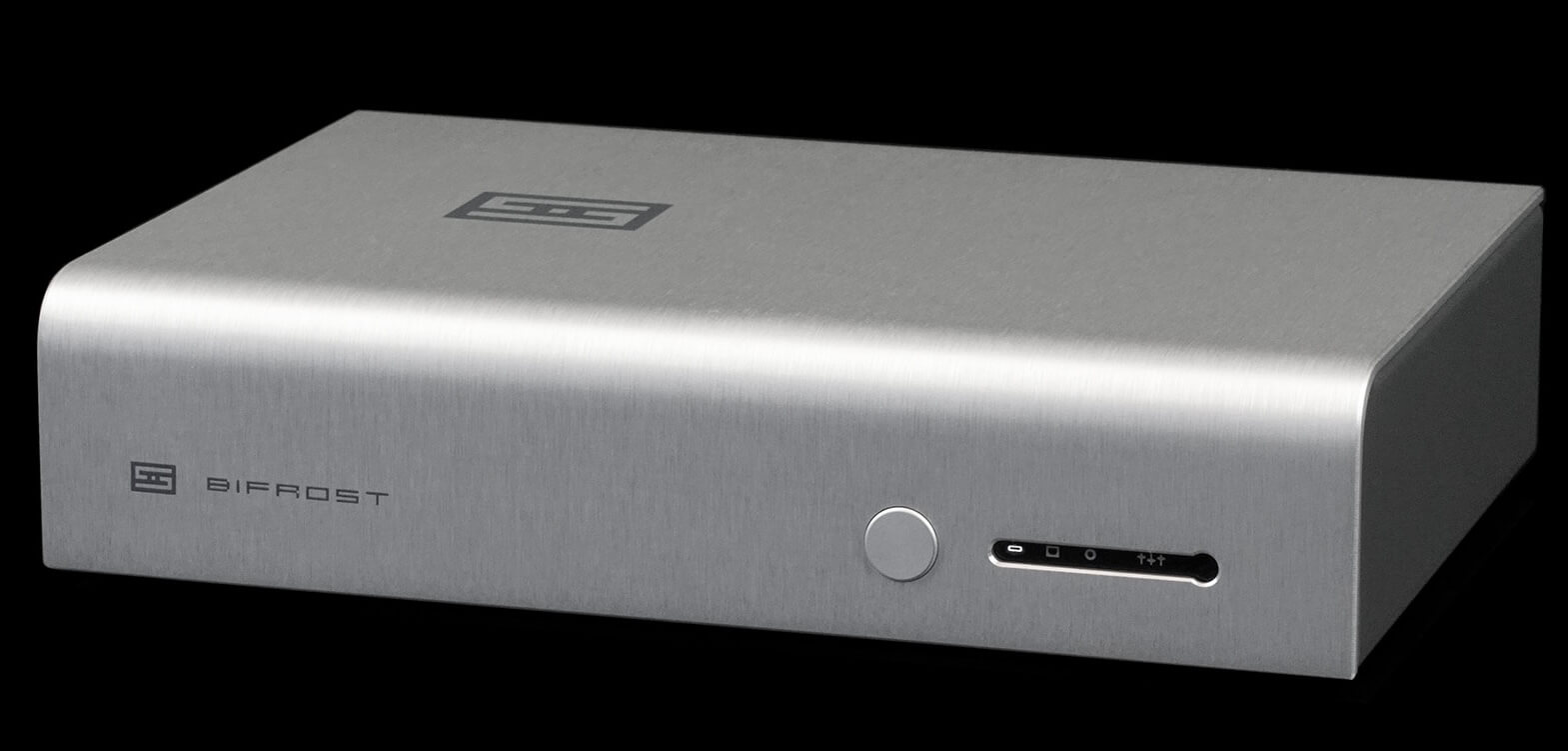
At $699, the forthcoming Schiit Bifrost 3 sits only $50 above the SMSL but heads in another direction entirely.
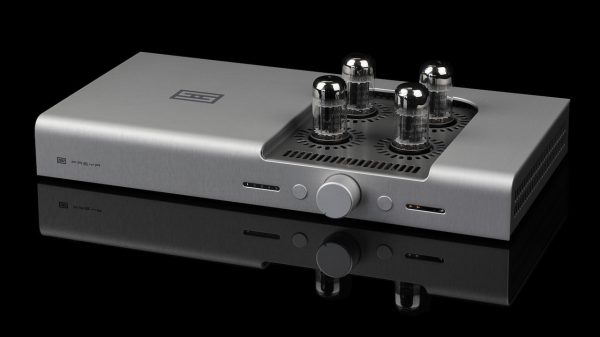
Schiit’s new Mesh 8×39 architecture uses proprietary time- and frequency-domain optimized filtering running on Analog Devices DSP hardware, with two ES9039 devices employed as mono modulators. Bifrost 3 also supports Schiit’s Forkbeard platform for digital preamp functions, EQ and over-the-air updates, along with a modular DSP architecture and the company’s Unison 384 USB interface.
SMSL emphasizes contemporary AKM conversion, extensive physical connectivity and dedicated clock hardware. Schiit is putting far more emphasis on proprietary DSP, software control and future upgradeability.
At almost identical prices, those choices make a direct comparison far more useful than pretending DAC shopping can be reduced to which converter chip appears first on the specification sheet.
The Bottom Line
The R100 and D400 MK2 make sense as a pair because they show SMSL refusing to bet on one solution.
The R100 is the riskier product. Building a $289 DAC around obsolete AD1861-J converters immediately separates it from the herd, while browser-based PEQ and balanced outputs keep the surrounding platform firmly in 2026. FiiO and Topping offer more functionality for similar or less money, so SMSL will ultimately have to prove that its implementation delivers something worth choosing.
The D400 MK2 has an easier job to explain. It is a focused standalone DAC with flagship AKM conversion, extensive wired inputs and dedicated clock hardware at $649, placing it directly between the multifunction FiiO K15 and Schiit’s more proprietary Bifrost 3 approach.
None of those design philosophies guarantees better sound, and specifications alone cannot settle the argument. What they do demonstrate is how little reason most listeners now have to assume that serious digital performance requires spending several thousand dollars.
If the two new SMSL DACs sound as competitive as their engineering and pricing suggest, FiiO, Schiit and Topping have two more products to worry about.
And consumers have two more reasons not to remortgage the house for a DAC — which is one of the most insane wastes of money around.
Where to buy:
- SMSL R100 R2R DAC – $289 at Amazon | Apos Audio
- SMSL D400 MK2 DAC – $649 at Amazon | Apos Audio
Related Reading:
- IFi ZEN Air Blue 2 DAC Debuts With Bluetooth 5.4 And AptX Lossless Support
- Geshelli’s Torc DAC At AXPONA 2026 Lets You Have It Your Way Because Different Strokes For Different Folks
- Apos X Geshelli Merlin Balanced DAC Review: This $225 Box Should Not Sound This Good, But Here We Are
- Best DACs: Editors’ Choice










Hondo Moffat IV
September 14, 2026 at 11:43 pm
Please do more of these articles but it would be nice if there was a sonic performance part as well.
A lot of useful information here but knowing what they sound like would make it invaluable.
Ian White
September 15, 2026 at 12:31 am
Hondo,
3 of these were just announced so a comparison wasn’t possible. But I do think it’s something that we will explore if we can get them all at the same time.
IW